


Feeling Mentally Tired? Try Brain Reset Puzzles for a Refreshing Break
- Jul 29
- 3 min read
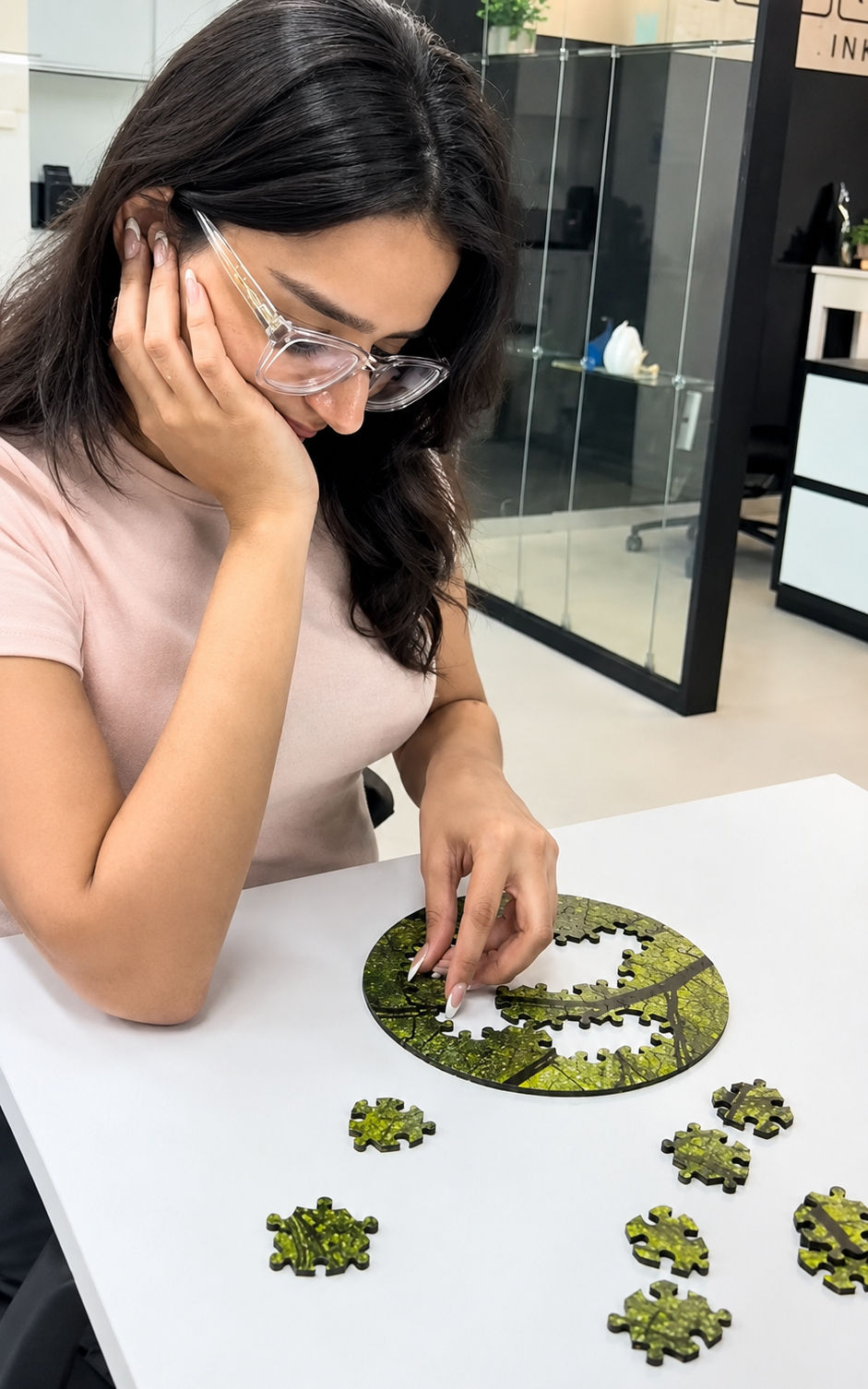
Some days, your mind feels tired before the day is over. You reread the same sentence, small decisions feel difficult, notifications become irritating, and moving between tasks takes more effort than usual.
The natural response may be to open another app, scroll through social media, or watch a quick video. Yet more digital stimulation does not always provide the kind of break your attention needs. Brain reset puzzles offer a screen-free alternative, helping you slow down, refocus, and engage your mind in one calming activity.
What Does Mental Tiredness Feel Like?
Mental tiredness can appear after long periods of concentration, frequent interruptions, demanding decisions, or constant task switching. Brain reset puzzles can offer a simple screen-free way to slow down, regain focus, and give your mind a more purposeful break.
You may notice:
Difficulty staying focused
Slower decision-making
Repeated small mistakes
Reduced patience
Trouble beginning the next task
A strong desire for distraction
Feeling busy without making progress
Why a Physical Puzzle Feels Different From Scrolling
This creates a different kind of screen-free experience:
The challenge remains in one physical space.
Your hands participate in the activity.
Progress develops gradually.
Mistakes become useful clues.
There is no pressure to keep consuming content.
For more ways to create distance from digital distractions, explore cogzart Puzzles for Focus: A Fun Way to Train Your Attention.
Why Circular Wooden Puzzles Add a Fresh Challenge
CogZart’s CircZles use round designs and hexagonal pieces that can connect from multiple directions. A piece that looks incorrect may need to be rotated, moved to another section, or reconsidered after more of the artwork appears.
This structure encourages flexible exploration through:
Colour transitions
Repeated symbols
Directional lines
Artistic textures
Shape relationships
Visual symmetry
The tactile wooden pieces also make the activity feel more intentional. Picking up, turning, and placing each hex creates a physical rhythm that is absent from many digital games.
Try This 15-Minute Puzzle-Break Routine
Set aside ten to fifteen minutes and give the session one small objective. A beginner-friendly option such as Synthesis — Focus Training Puzzle can work well for a short reset, with calming green tones and a nature-inspired design that encourages steady attention.
1. Step Away From the Screen
Close unnecessary tabs, silence alerts, and place your phone beyond immediate reach. Creating physical distance from the original task makes the transition clearer.
2. Study the Complete Artwork
Before placing pieces, observe the complete image.
Look for distinctive colours, repeated lines, unusual textures, central features, or areas with strong contrast. A vibrant design such as Colorstorm — Mental Speed Challenge Game offers clear colour cues that can help you identify visual anchors and begin sorting more easily.
3. Sort One Type of Clue
Choose one simple sorting method:
Colour
Shape
Texture
Line direction
Avoid trying to organise everything perfectly. The goal is to begin, not to create another demanding task.
4. Build One Small Section
Select a recognisable feature and work outward. A small completed area can provide a satisfying sense of progress without turning the break into a race.
5. Stop at the Right Moment
End the session when the planned time is complete or when you notice that your attention feels steadier.
Leave a promising piece nearby. That unfinished clue can make it easier to return during your next break.

Choose a Challenge That Matches Your Energy
Piece count: Fewer pieces may suit a short break.
Colour variety: Bright contrasts provide easier visual anchors.
Pattern repetition: Repeated artwork creates a stronger attention challenge.
Available space: Choose a puzzle that can remain undisturbed.
Experience level: Begin comfortably and increase the difficulty gradually.
You can explore how different challenges support active thinking in Brain Training Exercises for Focus and Mental Fitness.
Conclusion
A wooden puzzle provides that shift without demanding a major commitment. One piece invites observation. One connection builds momentum. One short session creates space between the tasks competing for your attention.
When your attention begins to fade, step away from the screen and give your mind one satisfying challenge. Explore CogZart’s circular wooden puzzles and refresh your routine one thoughtful hex at a time.
Citations :
American Psychological Association — Give Me a Break


Comments